Beginners Bouldering Equipment: Get Started
When it comes to bouldering, it can be hard to know where to start when it comes to kit.
A quick Google search or a glance in the bag of a climbing fanatic at your gym can make you think that the list of things you need to get stuck into bouldering is endless – but we’re here to tell you that it doesn’t have to be (unless you really wanna, #goonbigspender).
We’re going to break it down into essentials, pretty helpfuls, and added bonuses. When starting out, the best thing you can do is just to climb, climb again, and climb some more.
But first…
Essentials
Climbing Shoes
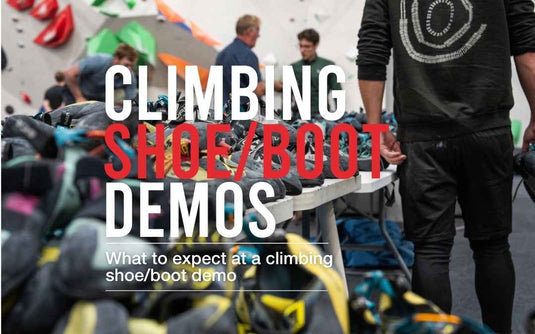
Rock climbing shoes are the MVP of bouldering equipment (yes, even you with shocking footwork will benefit from climbing shoes).
This is for two reasons. Firstly, in most bouldering centres (including Depot), you will not be allowed to climb in anything other than climbing shoes. So, if thou would like to climeth – thou shall wear climbing shoes.
Secondly, climbing shoes really do make a difference to your climbing. The combination of a good-fitting shoe gives you the ability to stand on holds you just wouldn’t be able to in trainers, or loafers, or sandals, or heels, or plain (/patterned) socks.
But the best climbing shoe is the one that fits you the best! Check out our 7 simple steps to finding the right fit for you.
You can hire climbing shoes at most climbing centres. There is an abundance of climbing shoes for all foot shapes and sizes, climbing requirements, climbing levels, material preferences and more.
We actually have a blog post which gives you all the juicy climbing shoe details, so be sure to check that out here when buying climbing shoes, or just ask our wonderfully knowledgeable in-house team next time you come to Depot for a climb.
Chalk
Have you tried holding climbing holds with sweaty hands? It’s super hard to grip when battling moist palms. Introducing chalk!
Climbers use chalk to help with sweaty hands. It dries out moisture, improving grip and friction.
This means you won’t be falling off holds due to slipping as much...perhaps instead just all the other reasons we fall off
Chalk comes in many variants, such as chalk balls, loose chalk, block chalk, chalk discs and liquid chalk.
A lot of it is personal preference, and when you’re starting out, any chalk (probably the cheapest) will do just fine.
As you progress, you may consider the ingredients more; e.g. if you are a dry hands person, maybe you want chalk without a drying agent, or if you’re a sweaty person, maybe you want to use liquid chalk as well as loose chalk…the possibilities are endless!
Climbing Brush
You may not think this is essential, so let us persuade you...
Chalk helps improve friction on holds. Holds are textured in various ways, and this texture is what enables you to be able to hold the hold (more or less).
A build up of chalk, sweat and rubber decreases friction and can make holds super slippery.
If we brush the chalk and build-up of grease off the holds, it maintains the texture of the holds and increases friction – this can be crucial for sending climbs.
It is good etiquette (see good climbing etiquette here) to brush holds before and after you climb, not only to be nice to your fellow climbers, but also to help maintain the integrity of the climbing holds.
Pretty Helpful
Chalk Bag
We’ve talked chalk. Let’s now talk chalk bags.
Chalk can be super messy, and although some people keep loose chalk in its original bag, or a Tupperware, or a plastic bag – these still can become super messy and can be harder to take around to climbing walls and crags with you.
There are many, many options here. First is to decide the size you want, there are chalk bags (think very large coffee mug size…mmm coffee) – these tend to come with a waist band which you can clip around you and keep on whilst climbing. This is most useful when rope climbing, however some people enjoy bouldering with them.
The most common option in bouldering is a chalk bucket; there are many brands, designs, colours and materials out there, and prices vary massively. Essentially it will hold all your loose chalk or chalk balls, with pockets for brushes/phone/bits and bobs and fasten up to keep your beloved chalk safe in its little bucket home.
Check out our range of chalk bags and buckets here.
Tape
The use of climbing tape is so versatile, as is the choice of climbing tape. Tape can be used on hands to savor skin, to cover cuts and stop them worsening, or to help injury prevention or rehabilitation.
Check out our range here, and a book on taping guidance here (we always recommend getting professional physio advice if using taping for injury purposes).
Skincare
A good moisturiser goes a long way at looking after your skin and hands after a climbing session.
It doesn't have to be fancy, but washing your hands and applying a little bit of hand cream will help them heal faster between sessions.
From moisturisers, to skin files and nail clippers, the right kit for good skincare, there are many different options out there, so finding what works best for you can take a little trial and error.
However, it does mean you will find the sport a lot more enjoyable if your skin isn't quite so sore after a session!
See our range of skincare products here.
Added Bonuses
Bouldering Mat
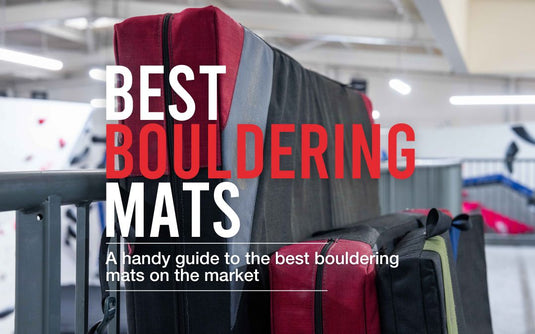
When outdoor bouldering, this is more of an essential (pretty scary and risky if not). However, bouldering pads are expensive, and when beginning, and mostly indoor climbing, it’s not an essential purchase.
Bouldering outside is usually in groups, so ask around to borrow before making a big purchase if you’d like. Again, the range is vast, here are some options.
Guidebooks
When climbing outside it can be nice to go with a guidebook which tells you information on the approach to the crags, the parking, the grade of routes, etc. However, you can also just go with the attitude to just touch rock and try.
Online resources such as UKClimbing are great online tools to show information on boulders, too, and are free to use.
UK bouldering is immense, and there is something for everyone from beginner to expert, but there are also some incredible trad and sport climbing spots across the UK.
See our comprehensive range of climbing guidebooks here.
Resistance Bands & Warm Up Tools
Resistance bands and training tools can be really helpful to do this inside, as well as when outdoor bouldering without a gym to warm up in. Resistance bands are so versatile and there are many ways to use them. A quick Google search can bring up 100’s of ideas.
When using training tools such as hangboards or blocks, it is essential to have done prior research or asked for specific advice.
These are advanced training resources and can actually cause injury, rather than prevent injury if being used incorrectly or before a certain level of finger and shoulder stability has been reached.
We hope this useful list has been, well, useful for you. As always, if you have any questions, please feel free to ask our knowledgeable team next time you come in for a climb, who, I can assure you, will love the opportunity to talk about climbing! Check out our bouldering tips for beginners here.